India Trip Diary: Mumbai, Gandhi’s Home & Diwali

“I want world sympathy in this battle of might against right.”

Gandhi

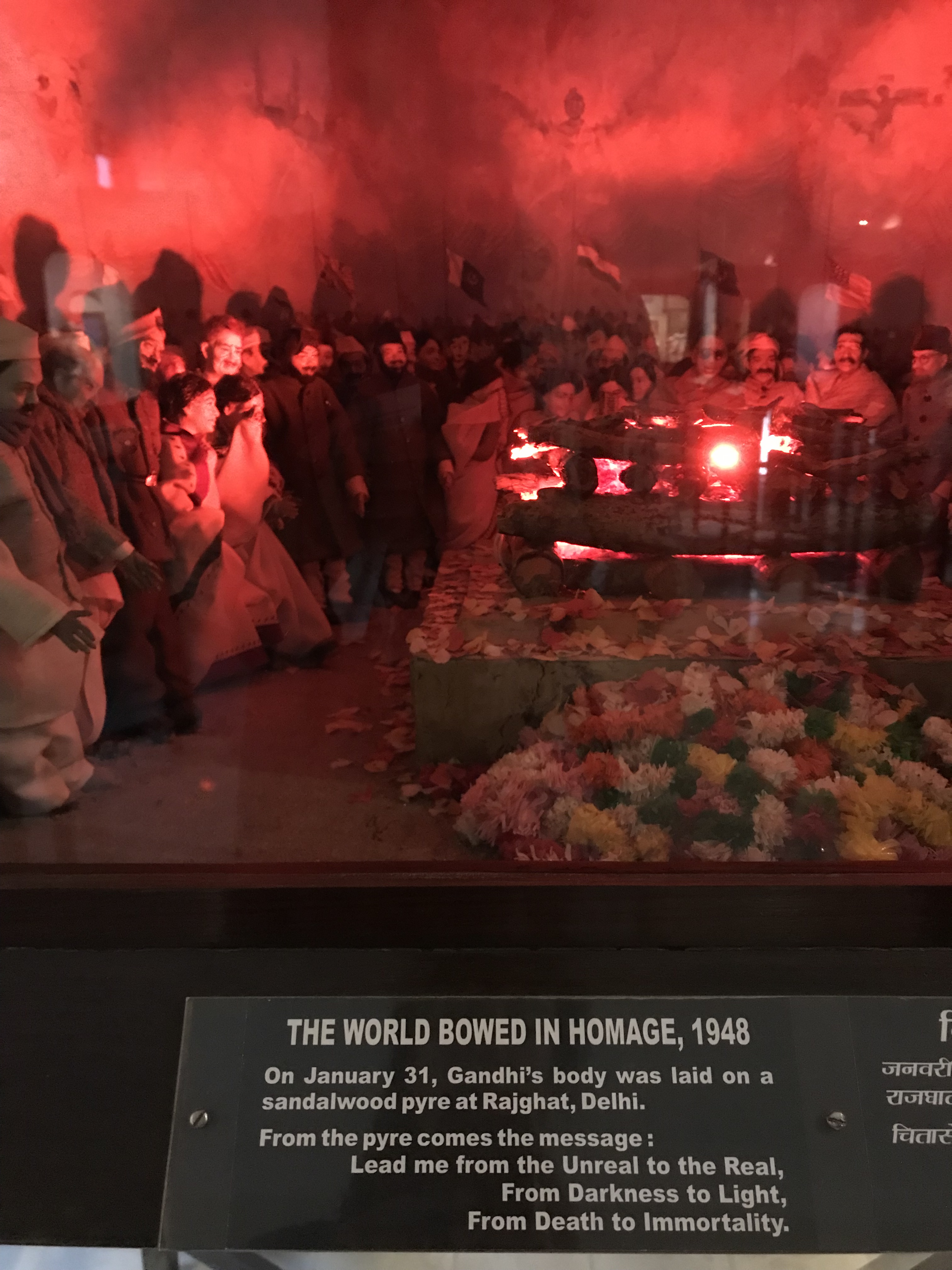
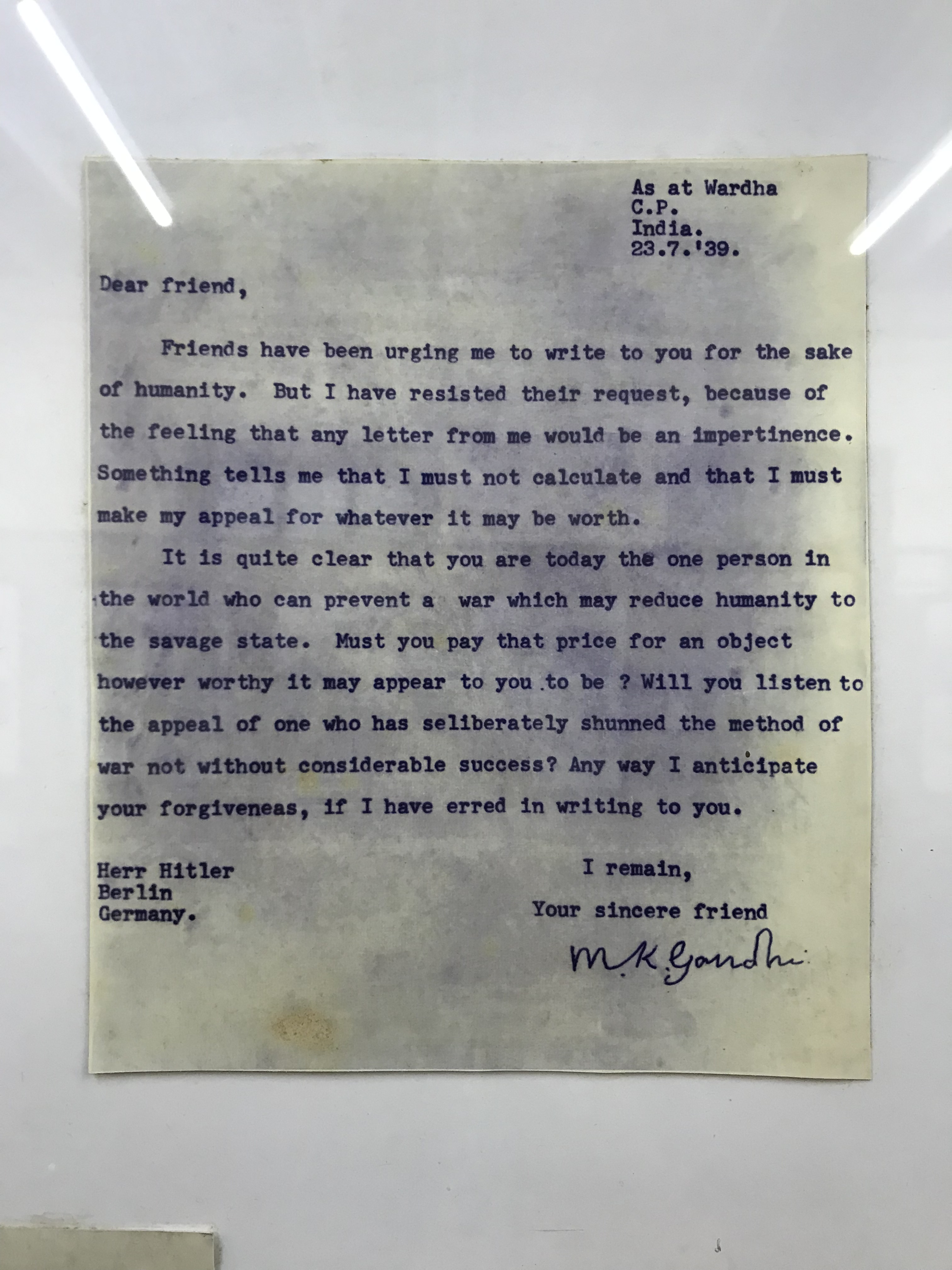
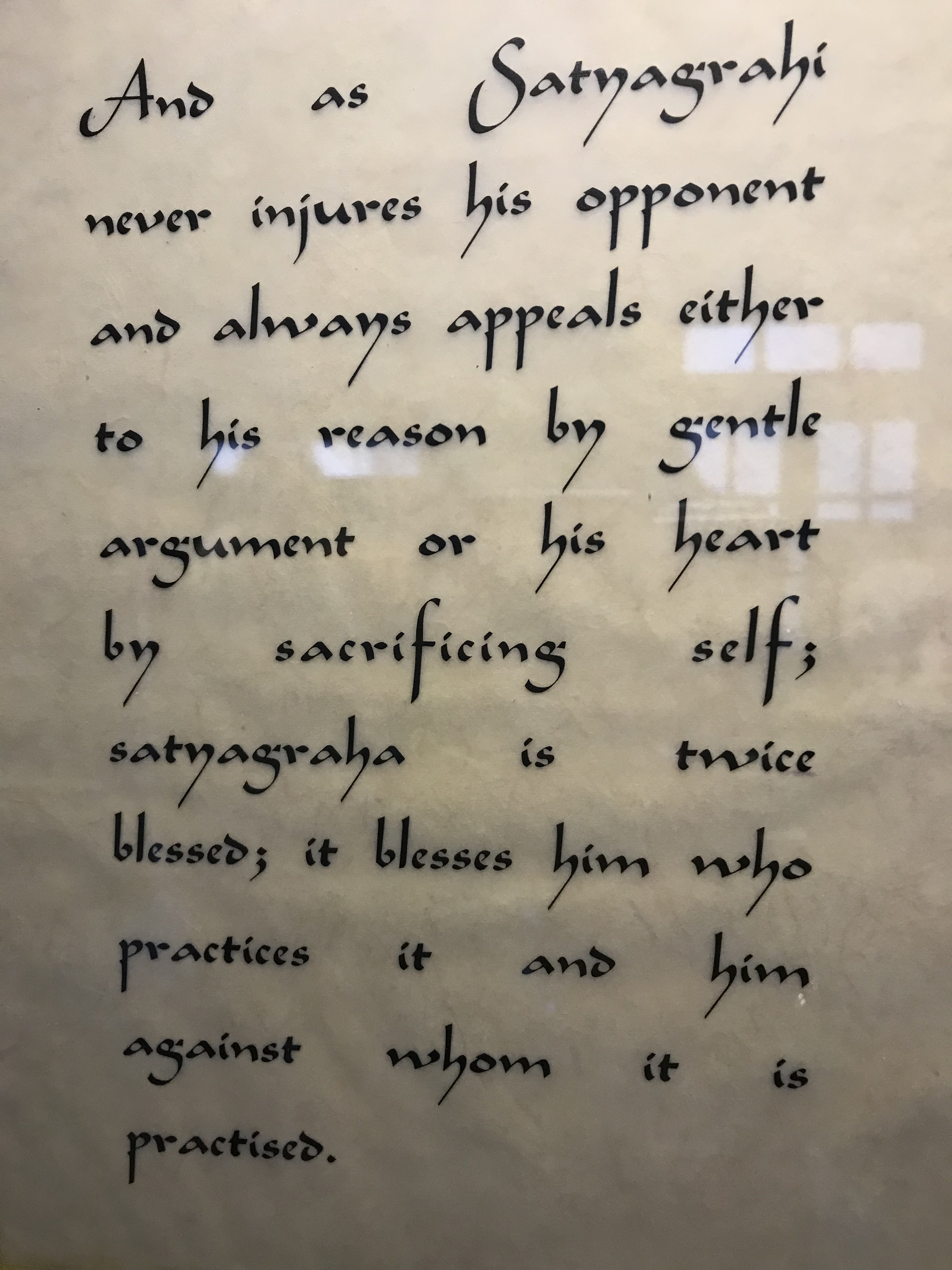
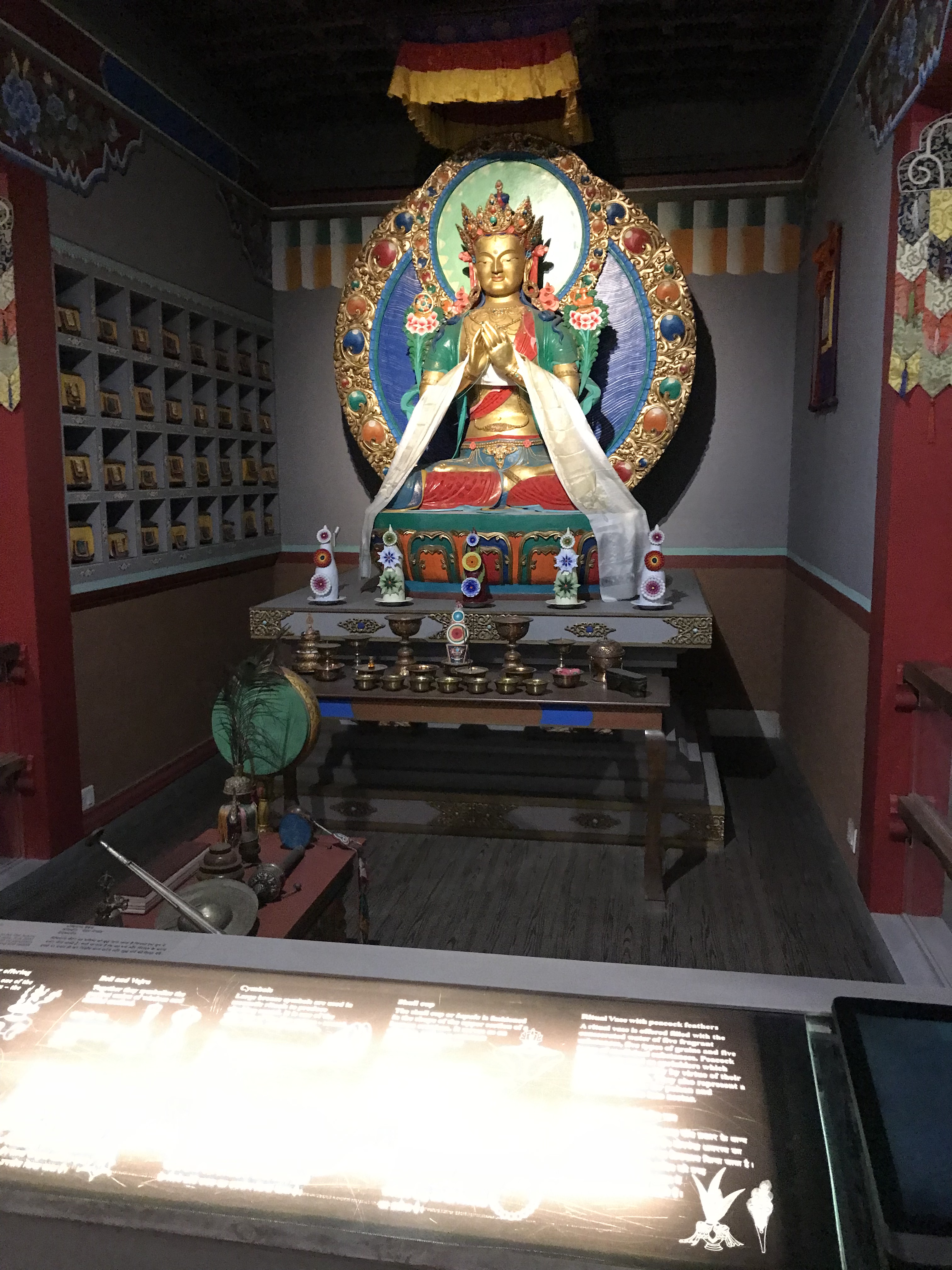
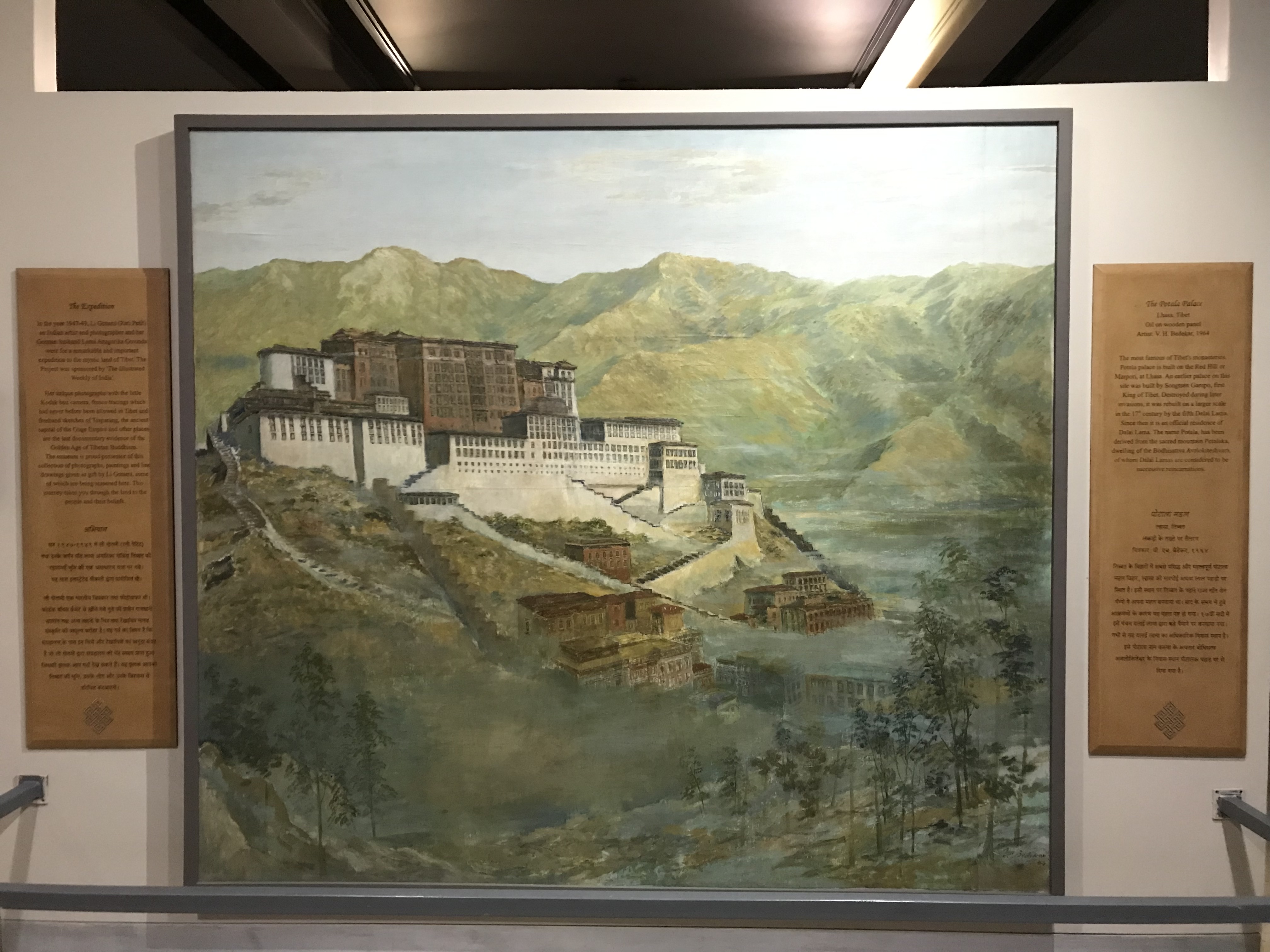
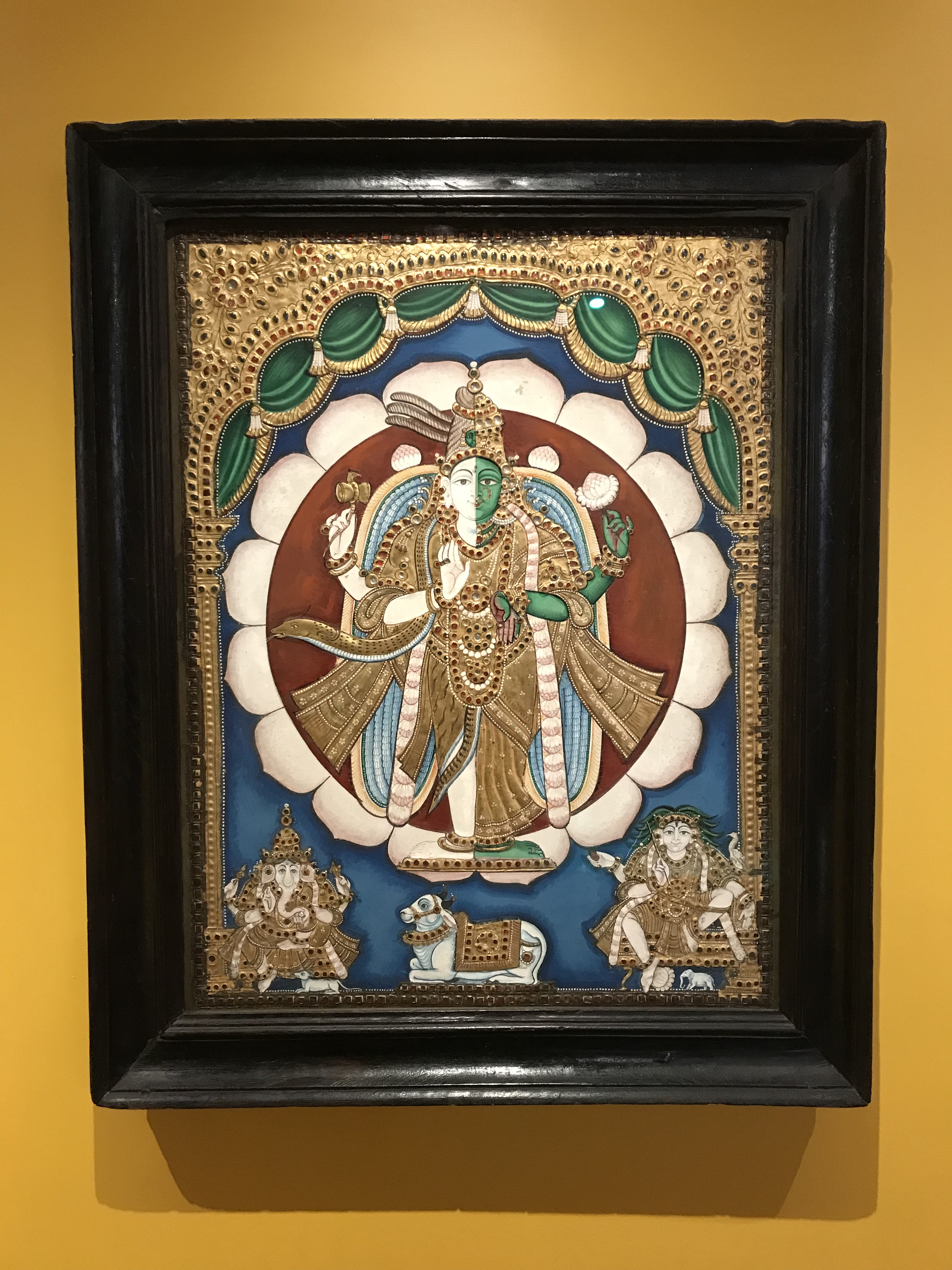
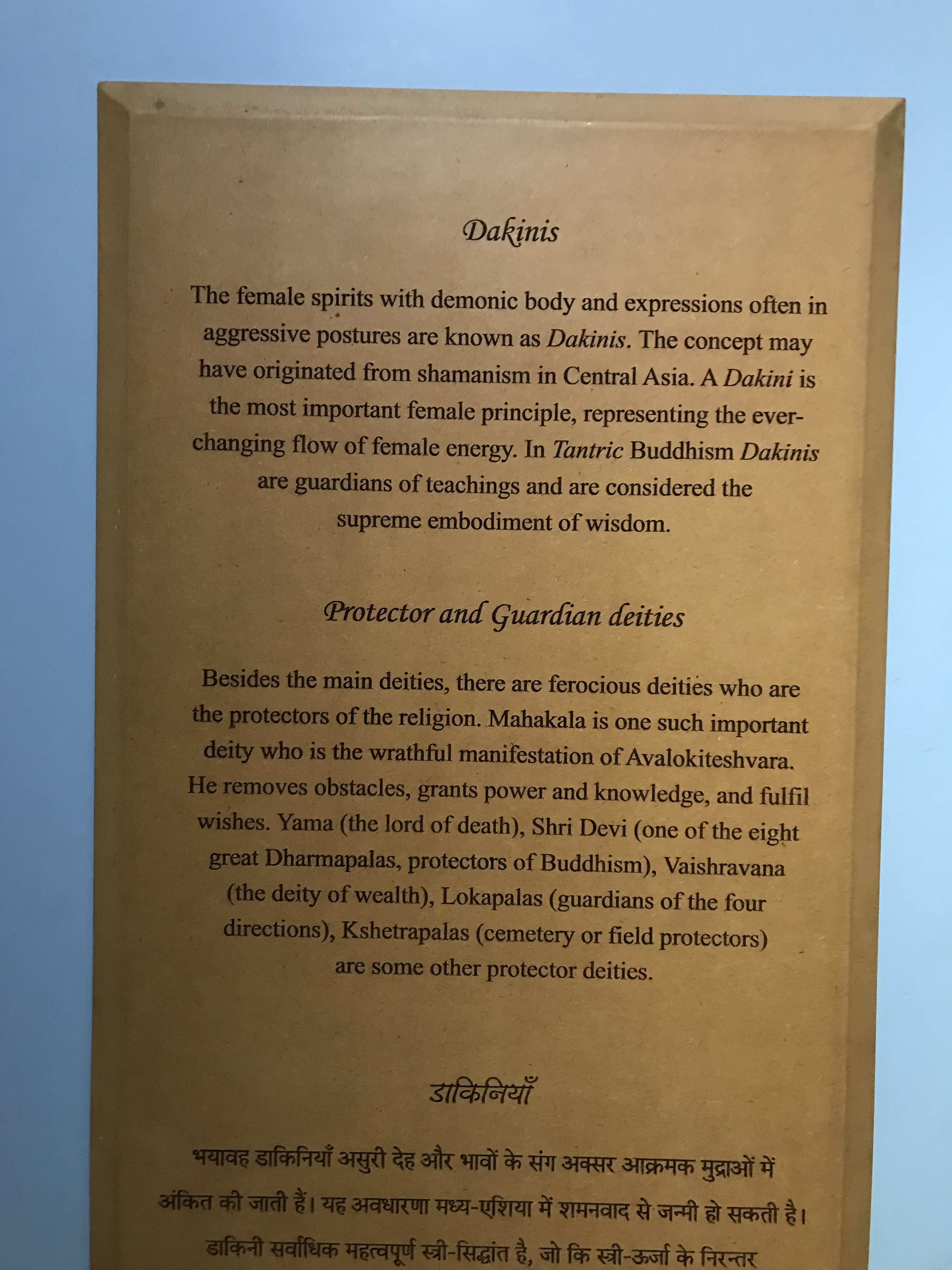
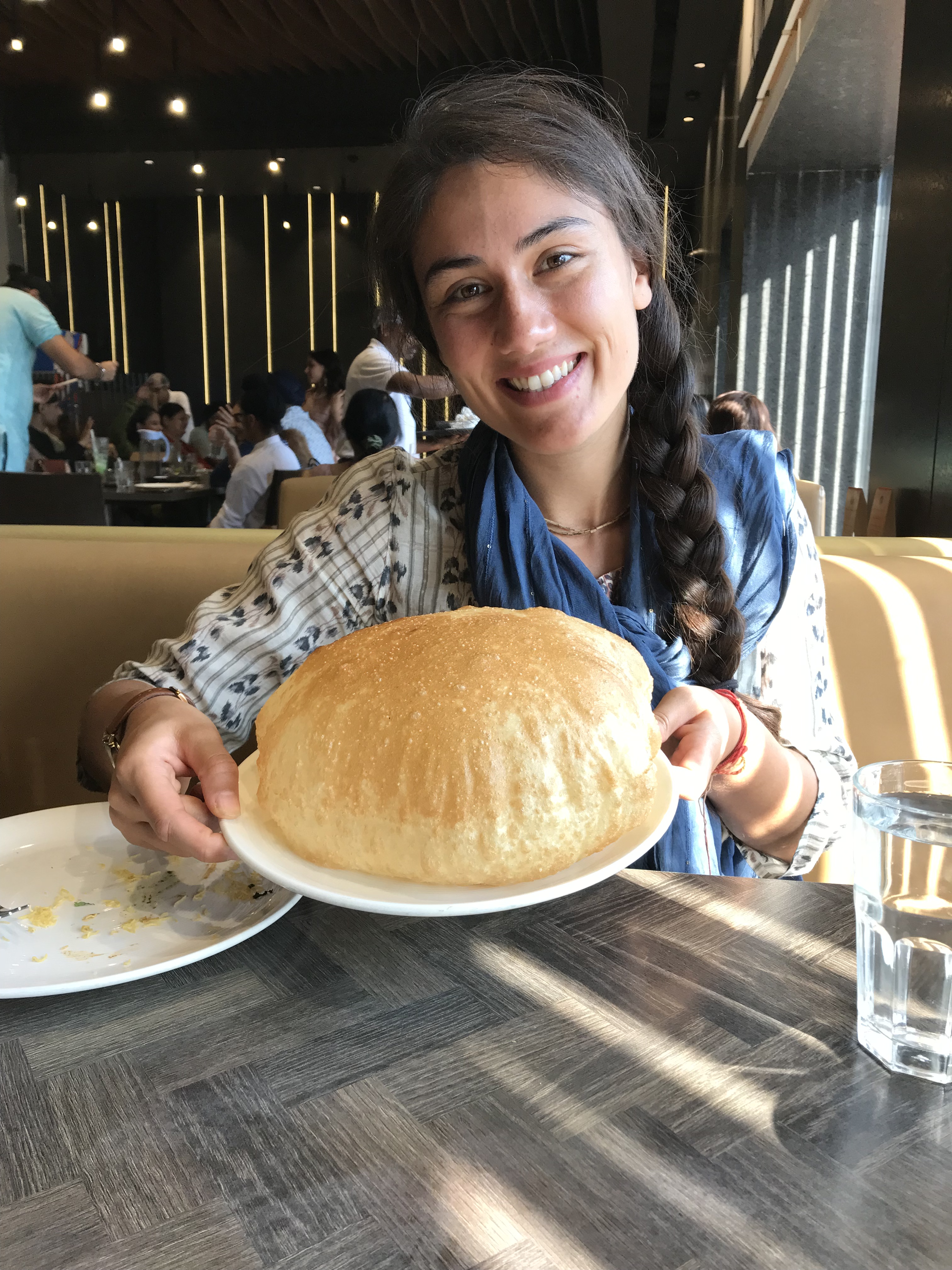
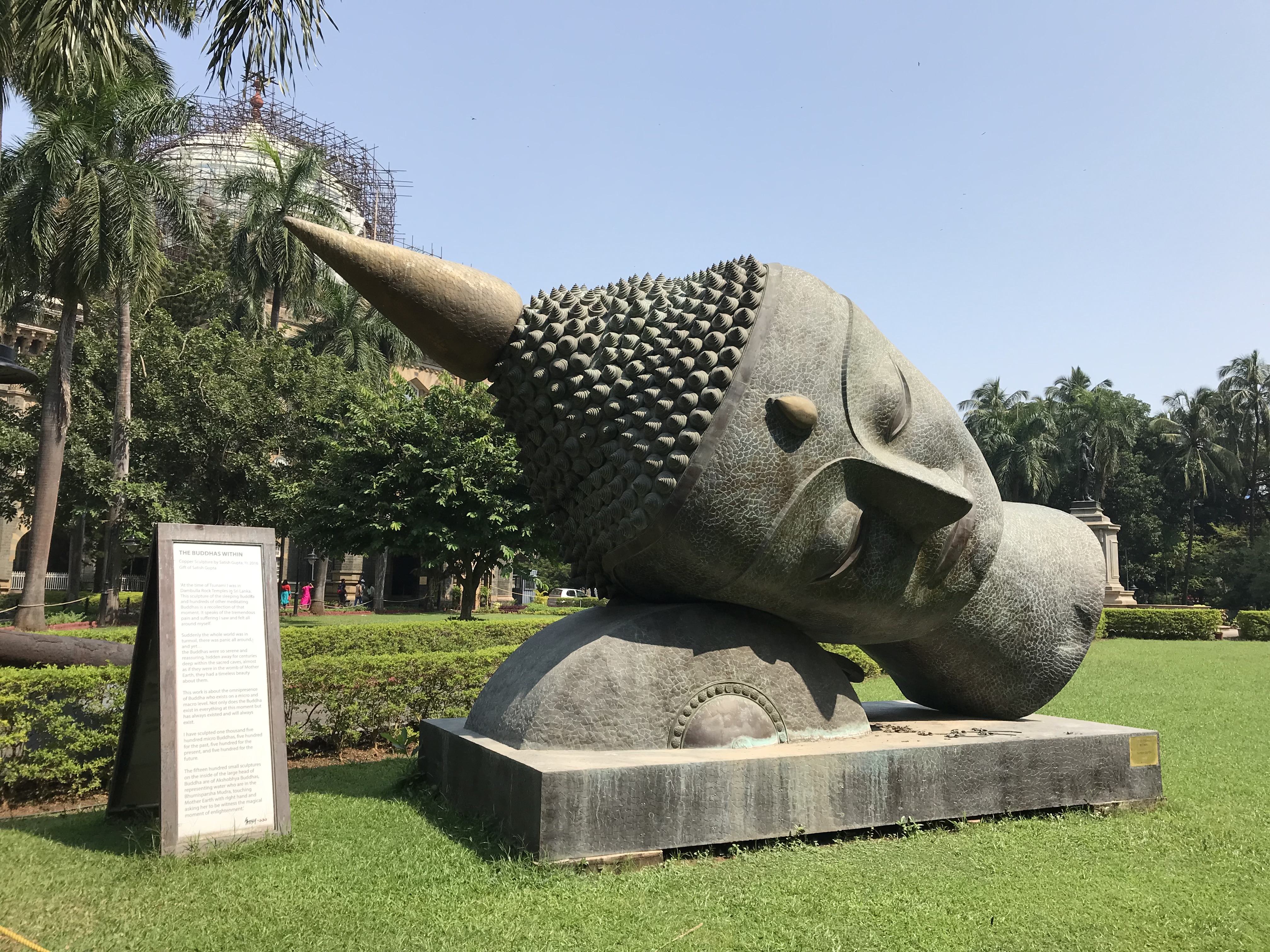
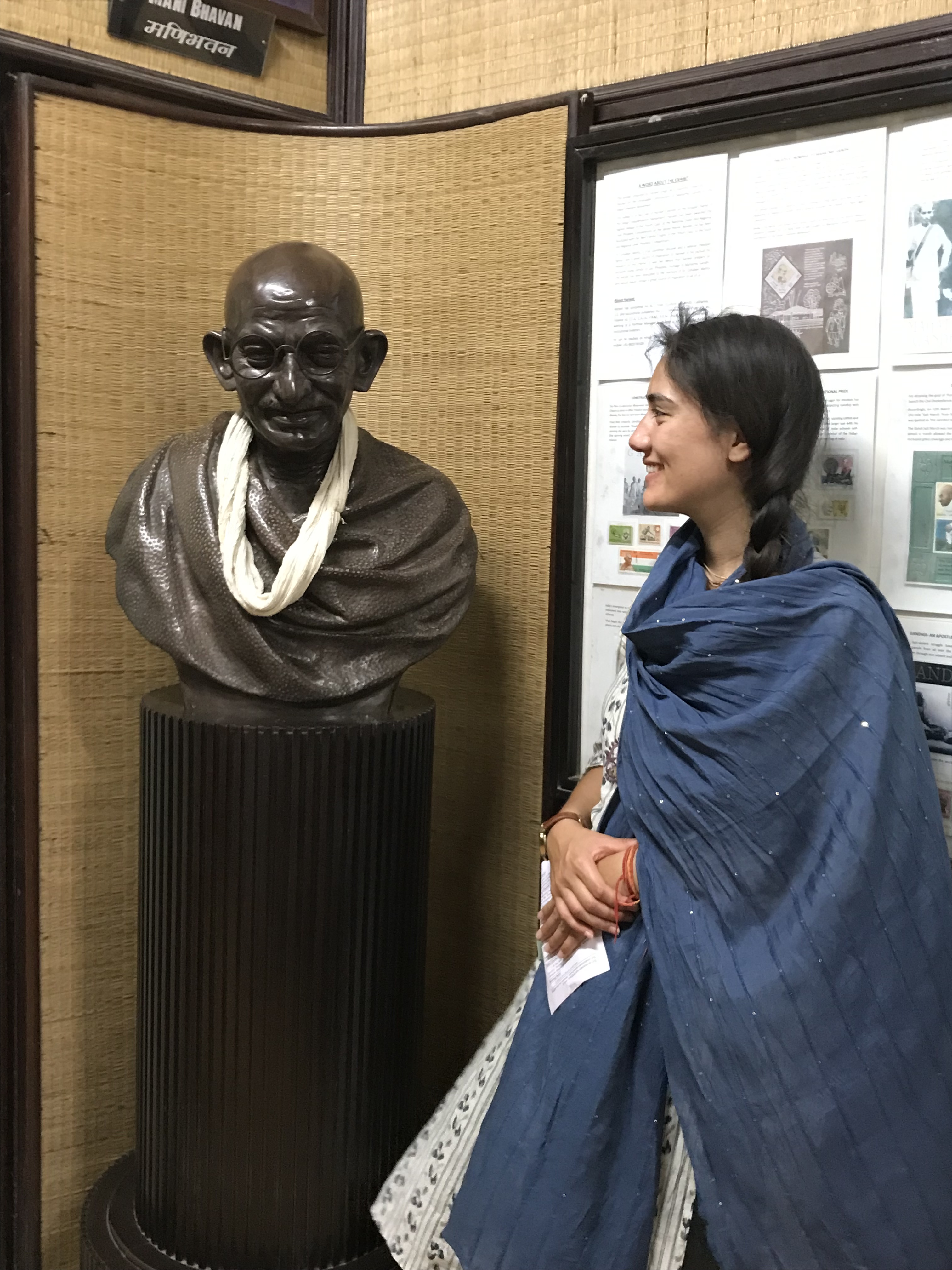
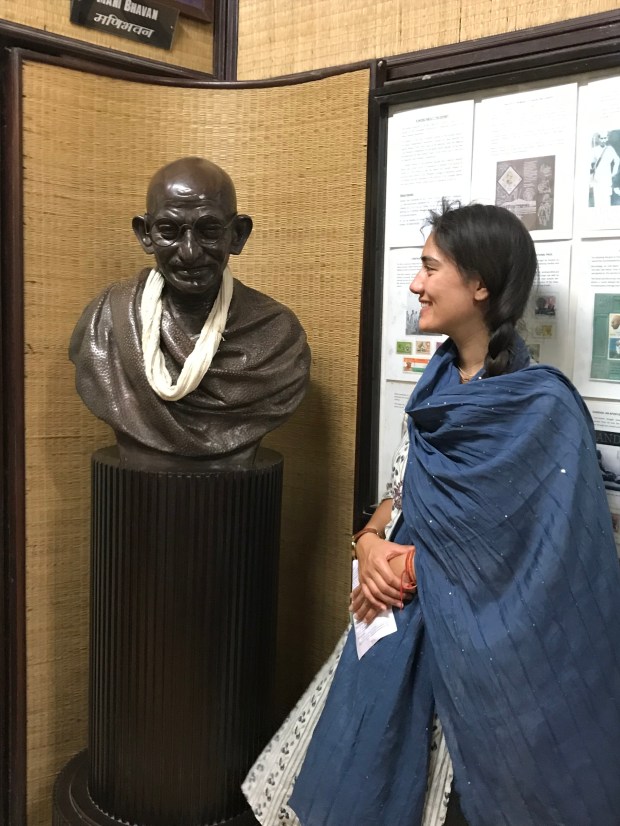
10/24 We went to the city art museum which had some of the best explanations and maps of Buddhism and religious history through art and sculpture I’d ever seen. Nepal basically blended Chinese/Buddhist and Hindu religions. We had lunch at Cream, giant pooris – then quickly visited Mahatma Gandhi’s house, which had amazing dioramas and a letter that Gandhi had written to Hitler, as well as to Roosevelt. I was surprised to learn that Martin Luther King, Jr. was so inspired by Gandhi, that he asked to sleep in Gandhi’s room after he his death to experience Gandhi’s energy and insight.

After this we visited a vipassana acharya teacher who just completed a 45 day course. I was so very lucky to arrive both on Diwali and be able to meet this teacher, who was able to understand and answer my questions.
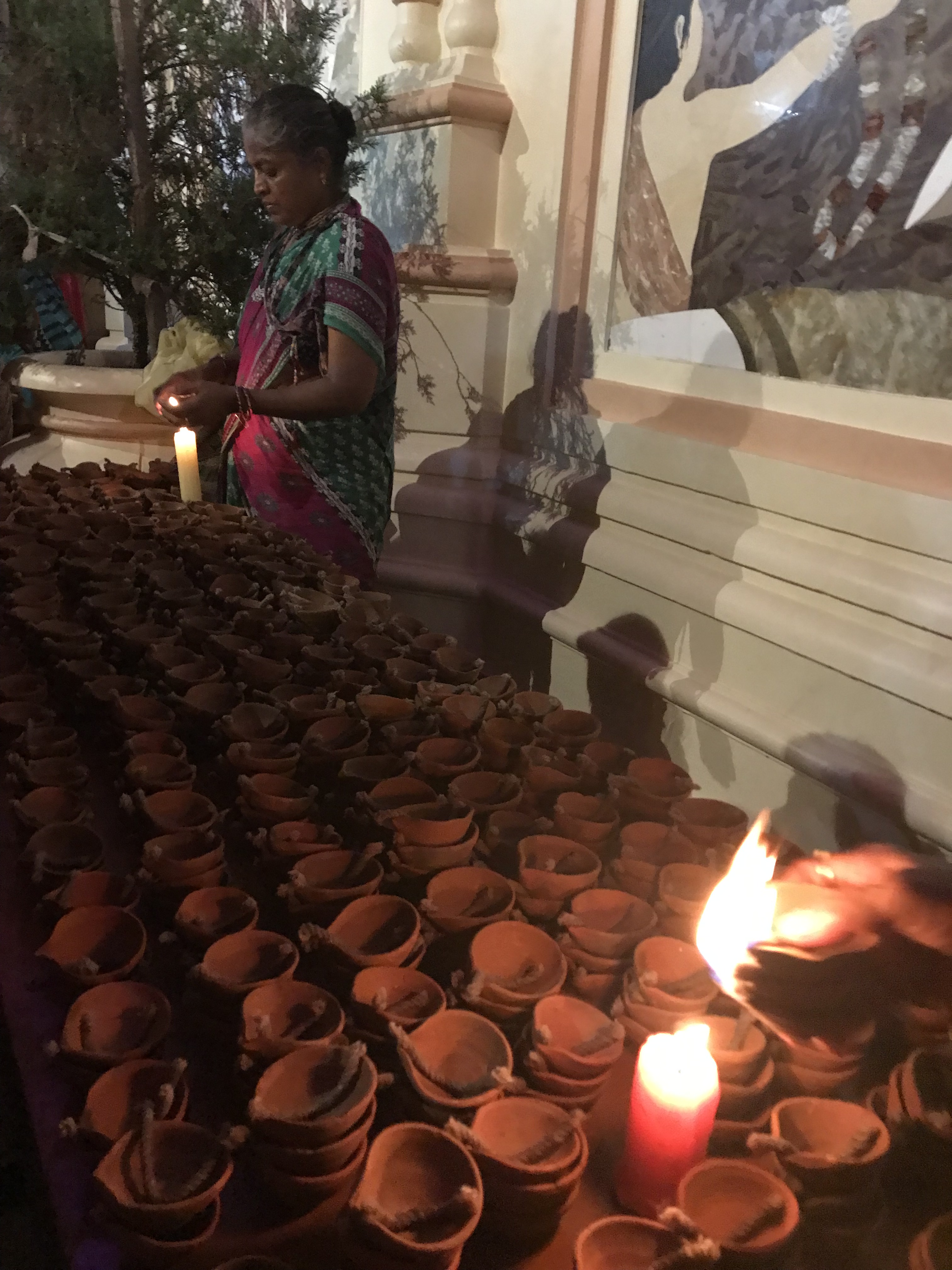
Diwali Explained, Celebrating the Victory of Light over Darkness

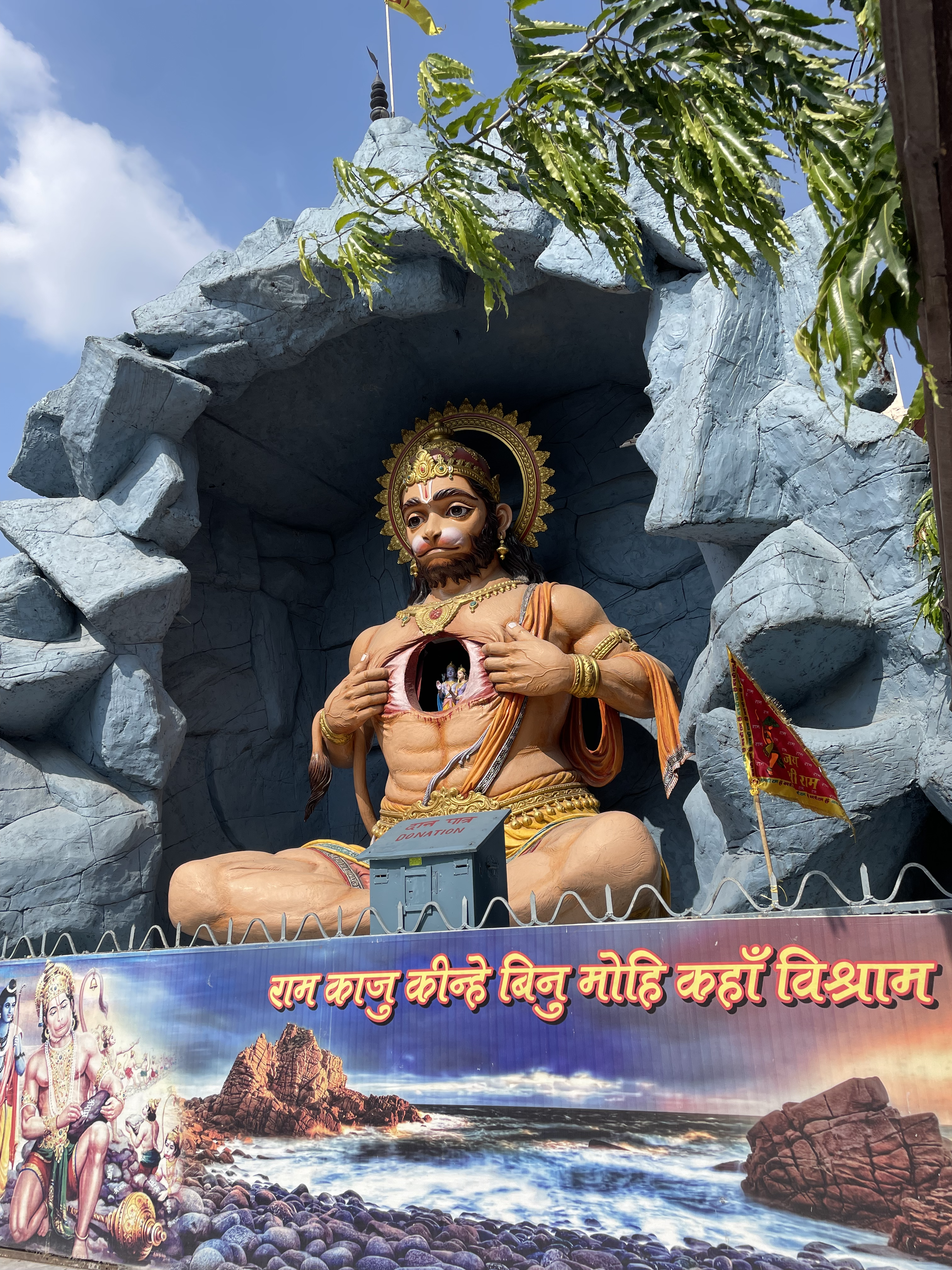
Diwali celebrates Lord Rama’s victory over darkness. In the Hindu pantheon, Rama is God as a king. Krishna is God at play. All are the same, one God with different faces and manifestations. In this story, Lord Rama is incarnated as a human son of a King with special strengths. His gift is that he can see beyond the veil of illusion. Rama is unfairly banished to the forest with his wife Sita and brother, where they encounter shapeshifting and cunning demons. It is not that demons are bad, but that the balance between good and evil had tipped. Eventually, Rama battles the demon king, who had lost sight of balance. With the help of Hanuman the monkey god, Rama is welcomed home by his people with thousands of candlelights as the rightful King.

Listen to the Ramayana story in full splendor at Mythology on Spotify:


Map: Gandhi’s Home and Global Vipassana Pagoda

Scroll to Zoom out to see where these places are in reference to your home and other landmarks.


Glossary

Puja: to worship with garlands, icons or money

Darshan: to see and be seen by the gods

Kirtan: devotional song, often in call and response, “wake up the sleeping soul”

Polymorphic Monotheism: various deities represent multiple faces of universal God

  • Each deity is an energy
  • Creator, Preserver, Destroyer
  • God is the divine being, goddess is divine power (energy)
  • Krishna is god at play, Vishnu is god at work

Trip Information

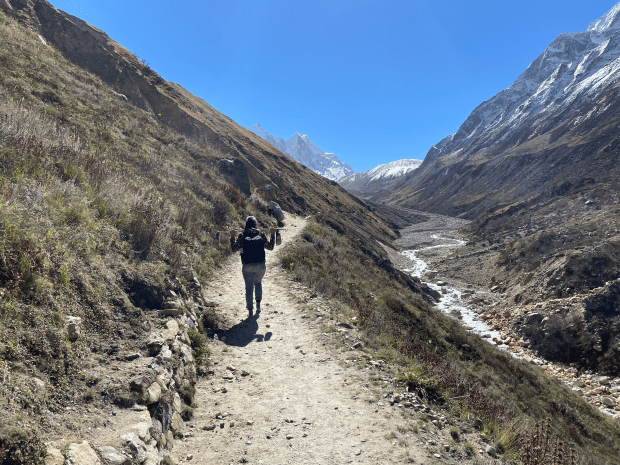
The trip was run and organized by Gopi Kinnicutt, owner of Bhakti Yoga DC. The trip was managed by Prema Nanda and Radha Sheran. Skillful driving through the mountains was by Nassim. Himalayan trek guides (Jaman Singh, WhatsApp +91-89790-49706) and many porters carried our camp 9km to set up tents and kitchen for hot food. Many people were involved in arranging our transportation and lodging. Photos used were taken by everybody in the group, especially Prema, Alex, Lauren, Ande, Shannon and Johanna. Thank you!
Related Trip Journals

India Trip Diary: Vrindavan and Giriraj, Krishna’s Playground

“Barefoot pilgrimage around giriraj, 6am to 4pm. Very long. Barefoot through the cities. Samadhi saints in salt. Radhakund – holy water. Radhe and Krishna – holy lovers. Krishna and his 108 Gopis.”

Olivia Jeffers, Journal Entry 10/20/2022

In the streets, people greet you with “Radhe Radhe!” It is an expression of love for Krishna’s counterpart. In Vrindavan, the ponds and mountains are the gods themselves. People will bathe in the Radhekund, offering milk and flowers into the water, become a melange of swirls and petals. Women dance at the temple as his Gopi’s, Krishna’s 108 lovers. Devotees make pilgrimage to Govardan Hill, the great mountain cursed to sink that is Krishna himself – here they will walk over 20km around the mountain, through a maze of city and temples and holy ponds. At this mountain, the monkeys are his friends, and the cows are holy.

Journal Entry: 10/21, Last Day at Vrindavan

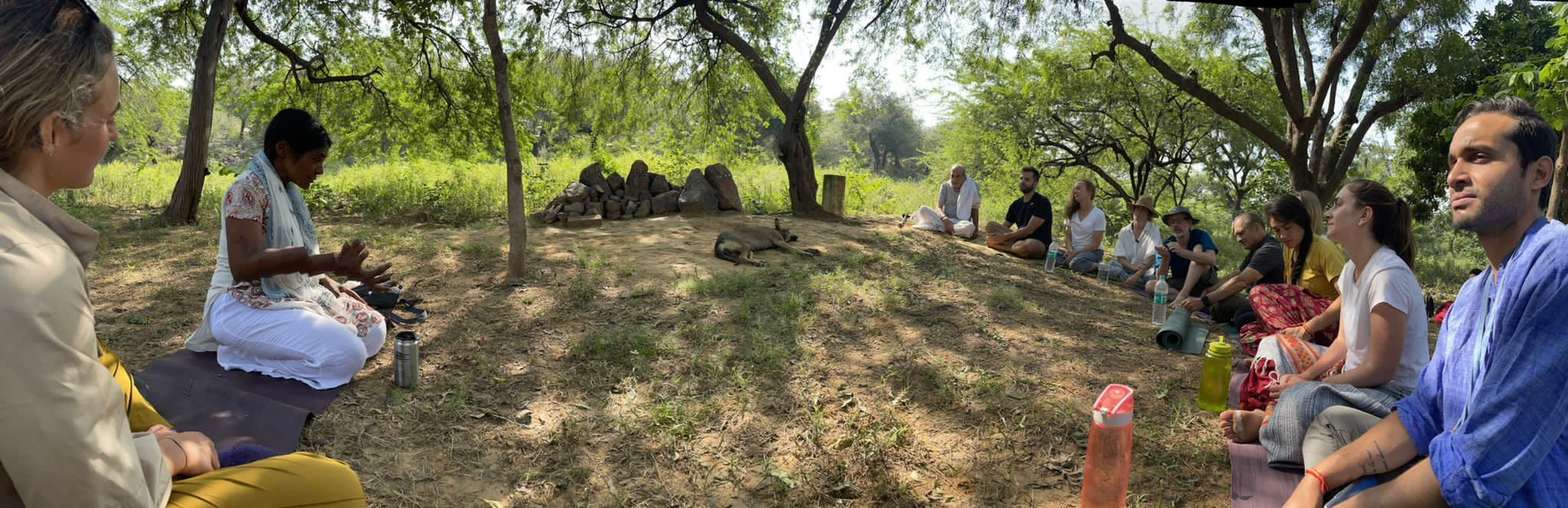
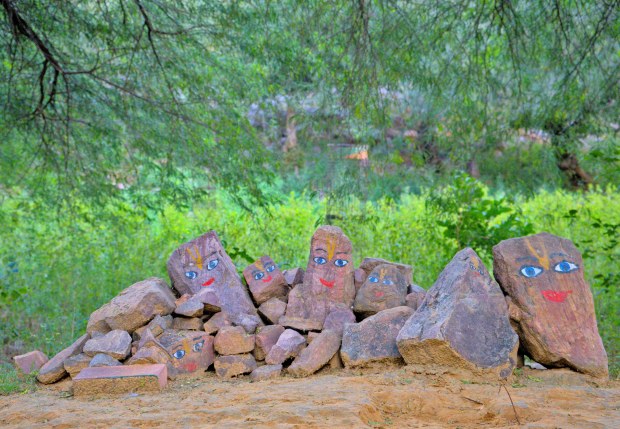
We started today with yoga in a circle, fruit breakfast due to fasting ceremony (no grains or beans) – then closing transition ceremony with the rocks at Giriraj – the monk visited as well. A dog also completed our circle.

People shared that they want to take away back home… prayers, curiosity, loving devotion.

ā€œReturn only as a servant, no duality here between material this and spiritual that.ā€

Our Monk Friend

We went to the lion temple and got to see full Darshan – to see and be seen by the gods. A woman came in like a storm with so much fervor for singing and Kirtan, prema got a drum and we all sang, the priest said that Narsingha is awake and revealed the full statue and oiled it, showing the lion god ripping out the insides of a child abuser demon. We wrote and put in prayers for the lion god, for protection. Lunch was tapioca.

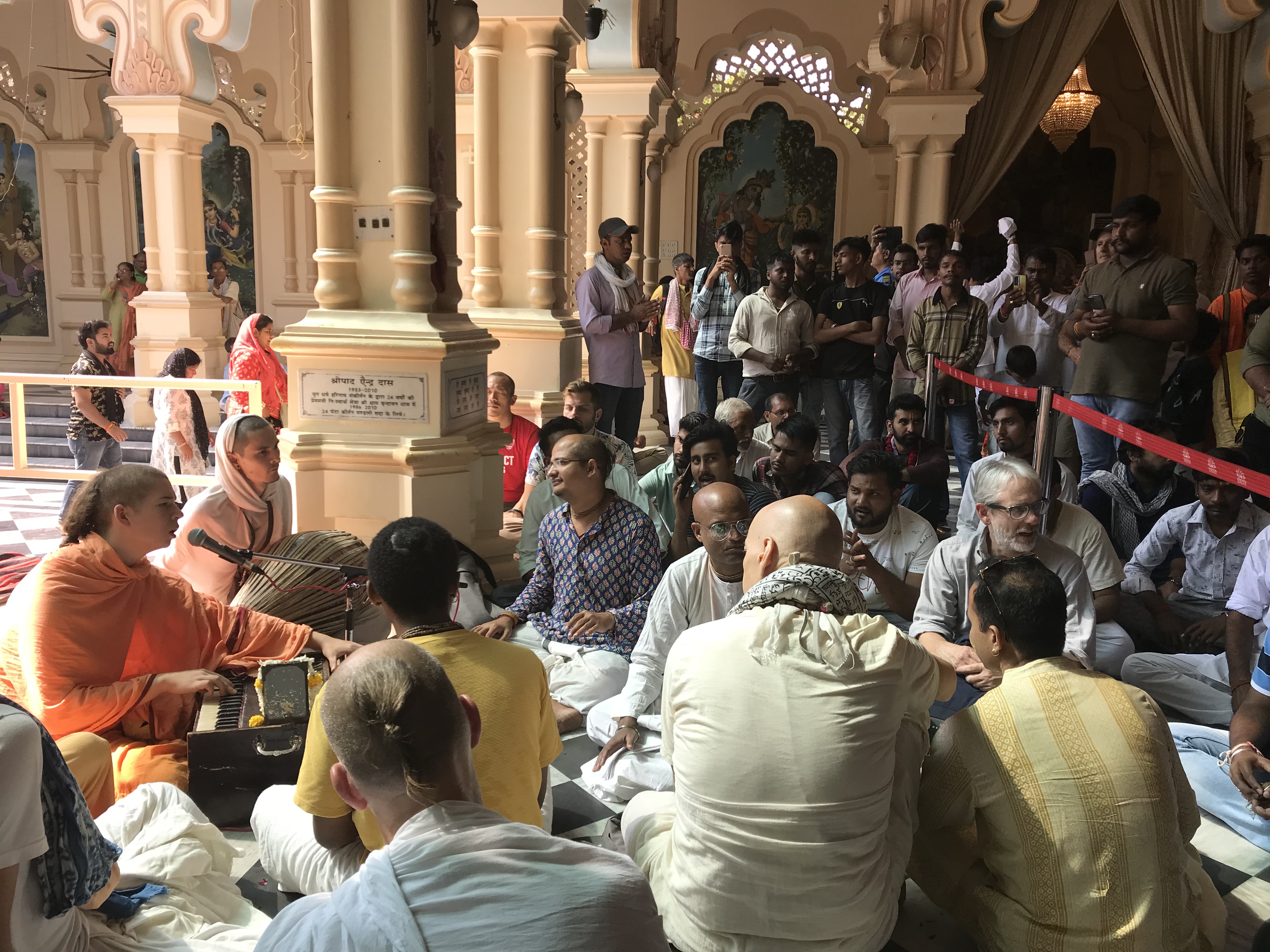
Dancing Kirtan with Alison at the ISKCon temple with Russian girls leading. Dinner at MVT guest house. Taj Mahal in 5 hours.


Map: ISKCon Temple at Vrindavan

Scroll to Zoom out to see where these places are in reference to your home and other landmarks.


Glossary

Puja: to worship with garlands, icons or money

Darshan: to see and be seen by the gods

Kirtan: devotional song, often in call and response, “wake up the sleeping soul”

Polymorphic Monotheism: various deities represent multiple faces of universal God

  • Each deity is an energy
  • Creator, Preserver, Destroyer
  • God is the divine being, goddess is divine power (energy)
  • Krishna is god at play, Vishnu is god at work

Trip Information

The trip was run and organized by Gopi Kinnicutt, owner of Bhakti Yoga DC. The trip was managed by Prema Nanda and Radha Sheran. Skillful driving through the mountains was by Nassim. Himalayan trek guides (Jaman Singh, WhatsApp +91-89790-49706) and many porters carried our camp 9km to set up tents and kitchen for hot food. Many people were involved in arranging our transportation and lodging. Photos used were taken by everybody in the group, especially Prema, Alex, Lauren, Ande, Shannon and Johanna. Thank you!
Related Trip Journals

India Trip Diary: The Beatles Ashram, Lessons in Duality

“I think maybe that’s the dark energy I’ve been ā€œbattlingā€ my whole life – the dark energy of wellness. A self obsession with perfection.”

Olivia Jeffers Journal, 10/17 in Rishikesh

Journal Entry, 10/17: Beatles Ashram at Rishikesh

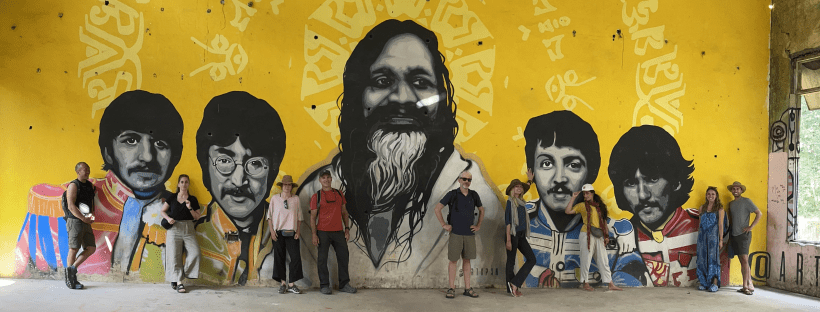
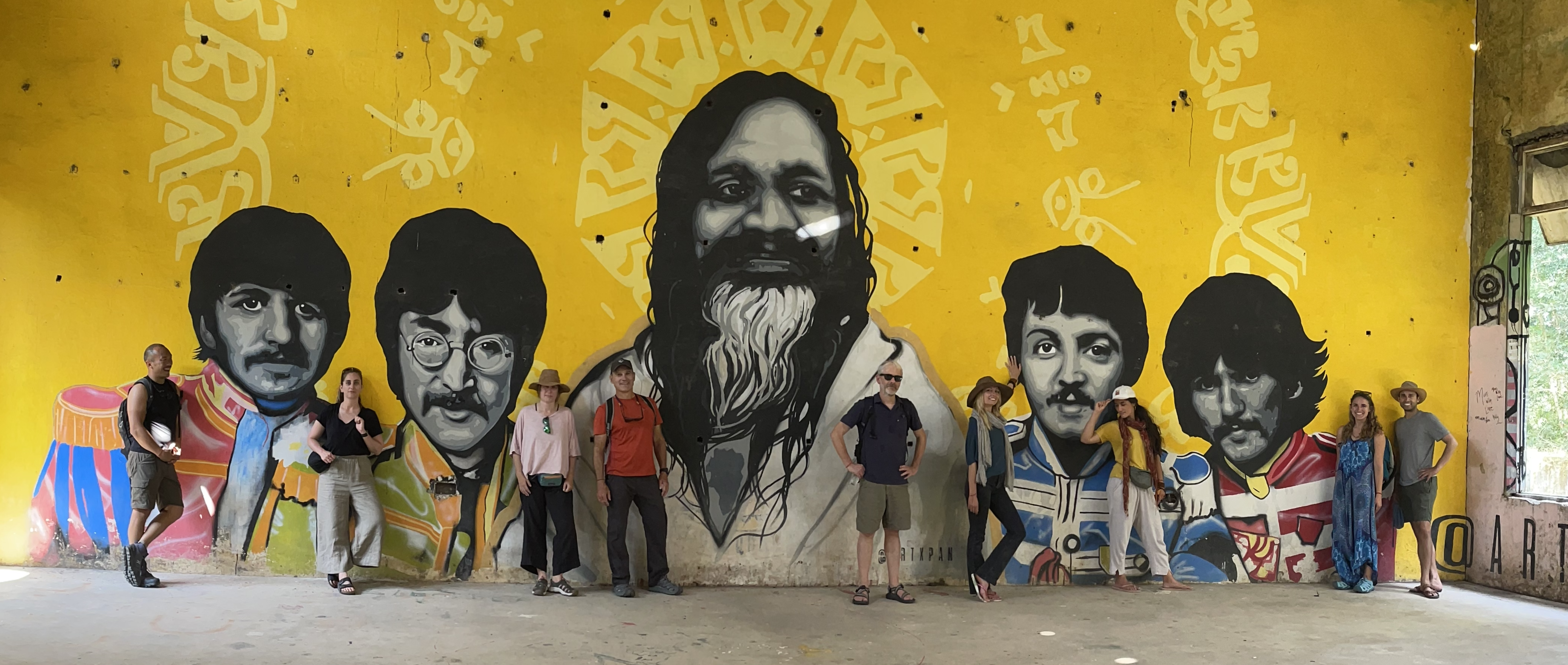
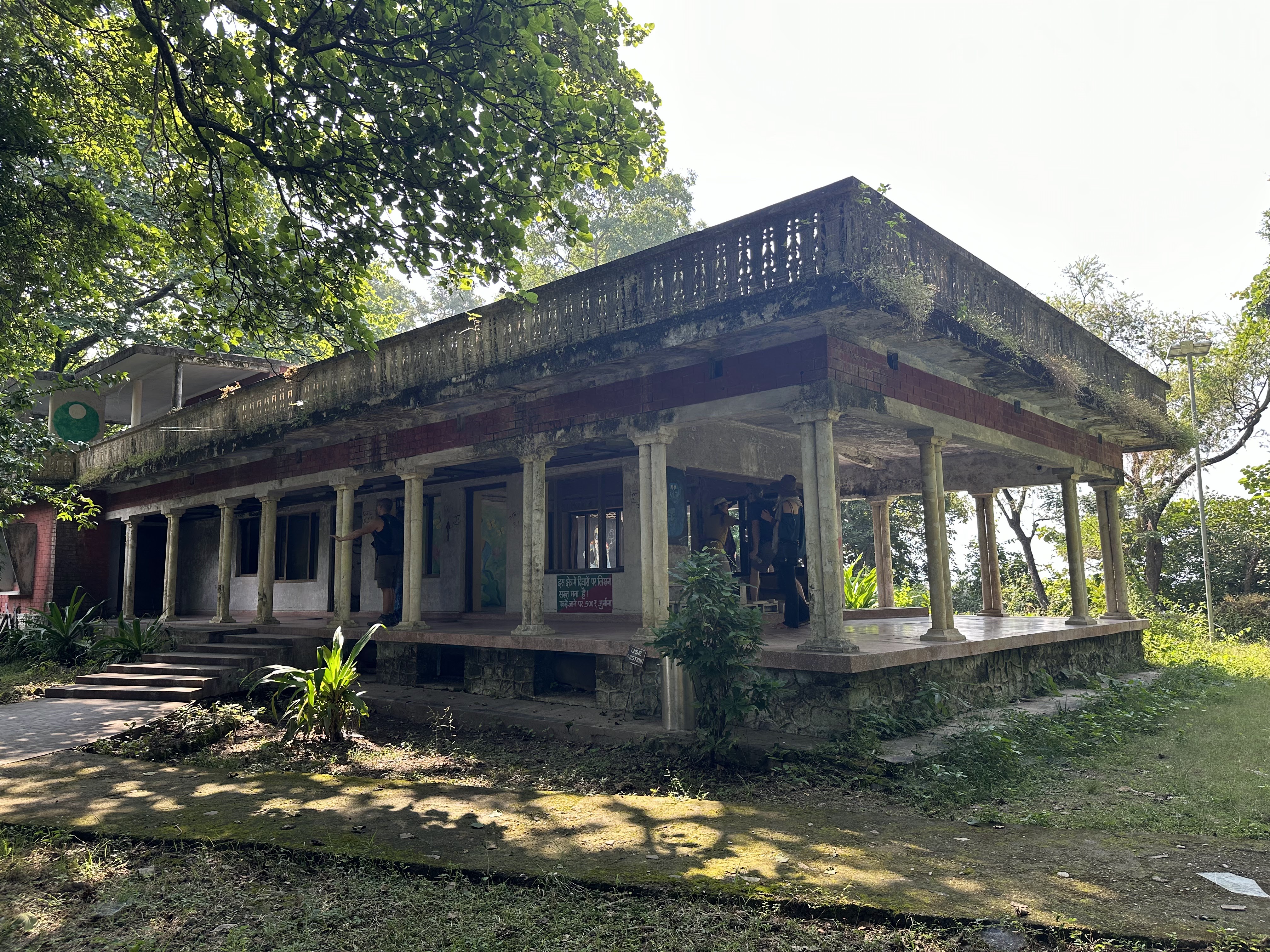
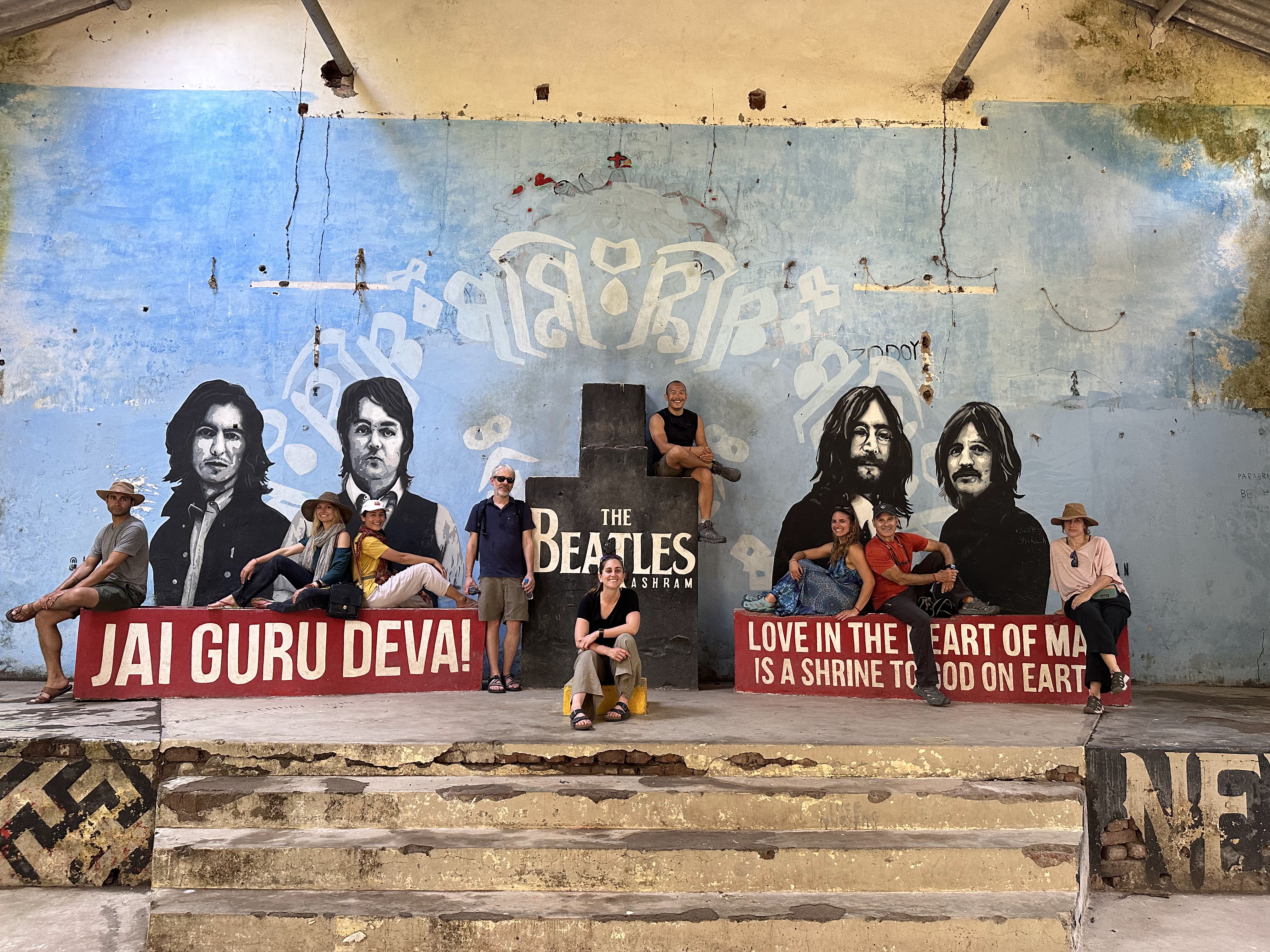
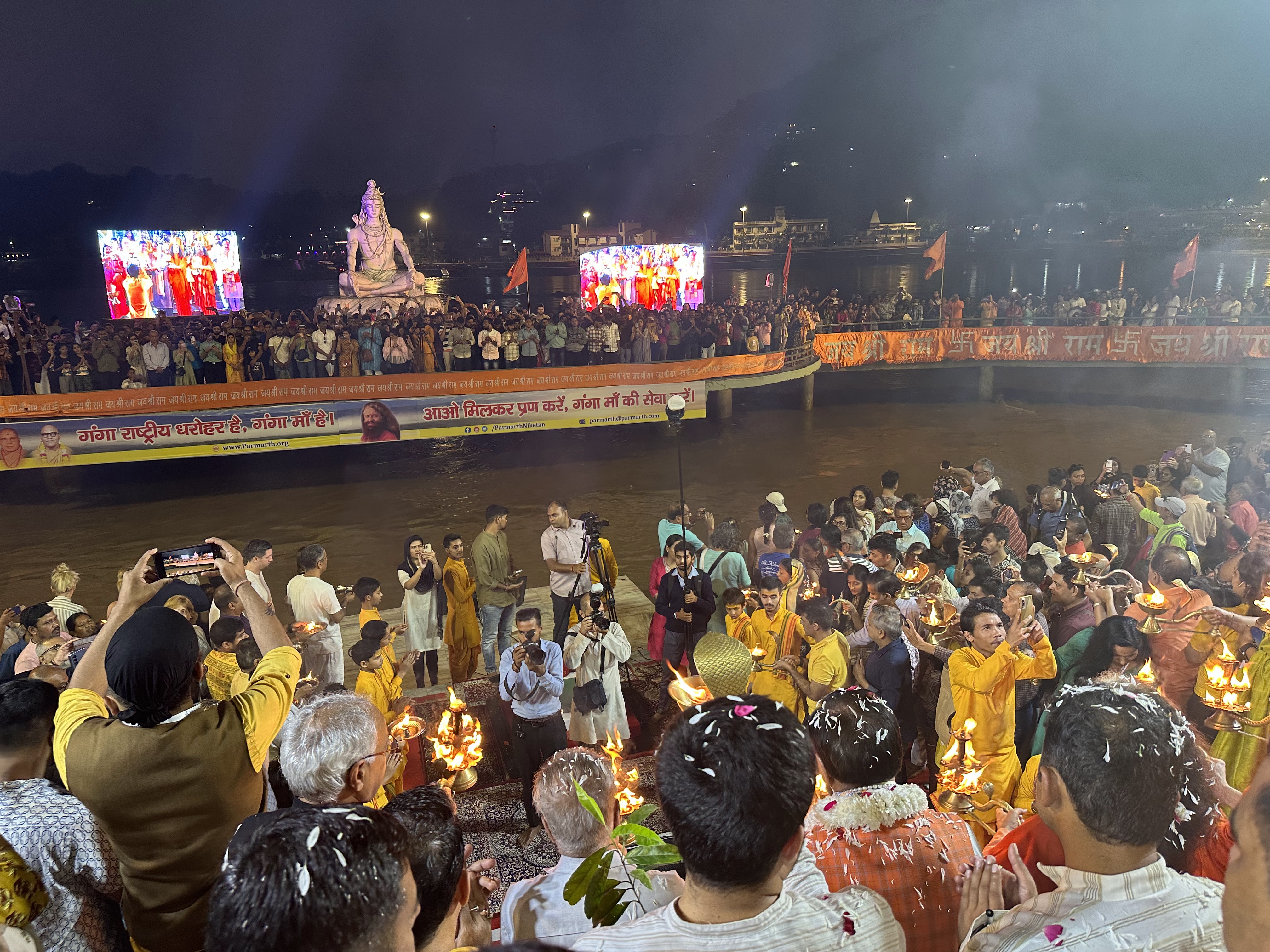
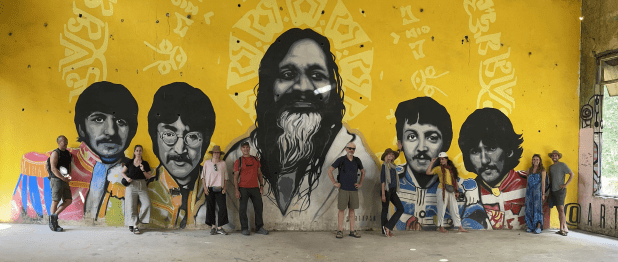
10/17 stayed in Rishikesh. Visited the Beatles ashram then shopping, massage and an artika ceremony by the Ganga which turned political. The Beatles ashram was very interesting – Radha Sheran hated it (our guide) and felt the energy was bad and the good energy had expired. It was ruin, no one is here – “if it had good energy people would be there”. It was the birthplace of transcendental meditation, which I’ve always had a bad feeling about.

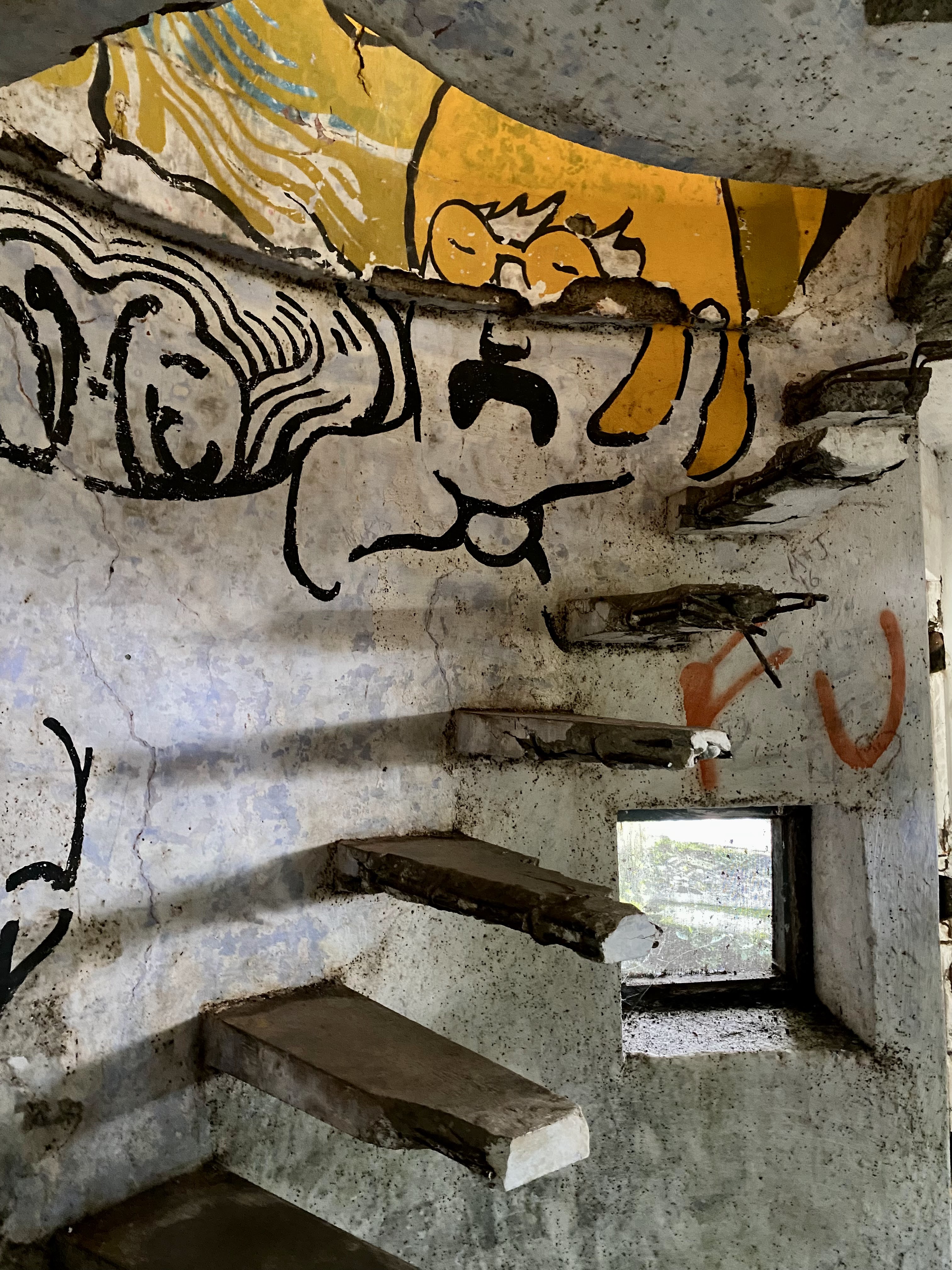
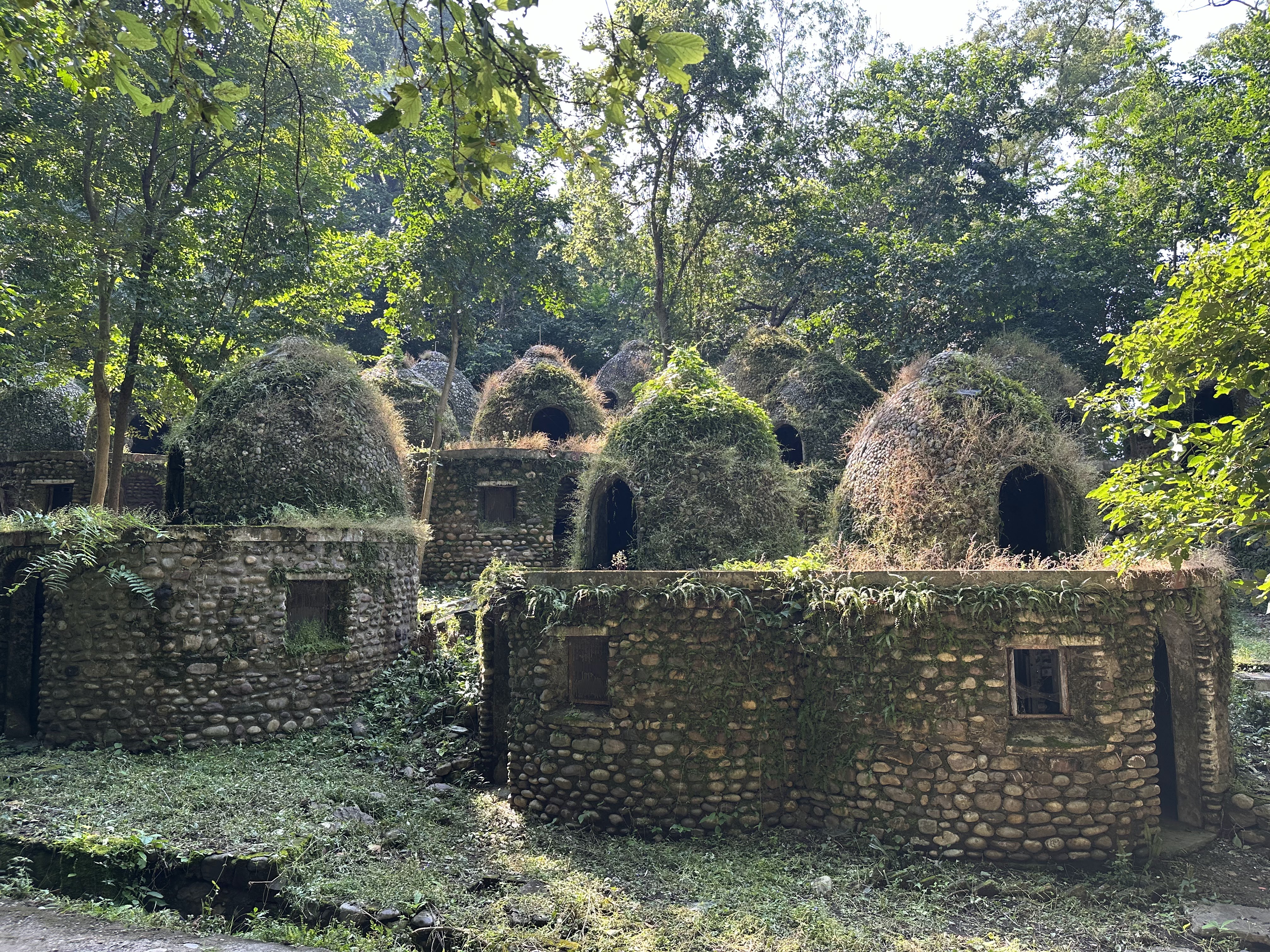
We went into the house, and both Alison and I saw a basement entrance that we both felt had very very dark energy, and avoided. I felt a bit drawn, but also very scared. It felt black, like the watery hole in the cave, a calling – but in a lethal way. Calling you to your death. I felt like I might pick up a spirit if I opened my mind too much there. Was glad to be with a group moving quickly. I think maybe that’s the dark energy I’ve been ā€œbattlingā€ my whole life – the dark energy of wellness. A self obsession with perfection. The stupas, the dome things, were actually built in the 1970s after the Beatles visited – and were made of Ganga river stones to collect cosmic energy. Each stupa was like a one bedroom apartment with a bathroom and shower.

I was trying to understand the collective consciousness at the time the Beatles visited. They were a big force in popularizing eastern spirituality. Alison and I talked about how the Beatles would have been born during or after World War II – where London and Hiroshima were bombed, where their parents probably had ptsd – as teenagers there would have been constant anxiety over nuclear war – and then as adults, they would have been drafted into the Vietnam war… it would have seemed crazy. All this war. Insanity. I can see how ā€œlove is the answerā€ would have been a desperate plea – a younger generation to the older to PLEASE stop fighting, stop the wars. Please.

“I think maybe that’s the dark energy I’ve been ā€œbattlingā€ my whole life – the dark energy of wellness. A self obsession with perfection.”– Olivia Jeffers, Journal Entry 10/17/2022

And of course… that energy in such a young generation inevitably leads to lots of sex and drugs. Grandiose pursuit of power. Getting lost in the darker side of eastern spirituality with no guides. I can feel now for a generation I had felt frustrated by. From my perspective, the pitfalls they stumbled into seemed so obvious and preventable – from their perspective, what they did was risky and revolutionary with no guidance.

Journal Entry, 10/17-18: Artika and Rally at Rishikesh, to Vrindavan

After we went shopping, I got 2 pairs of yoga pants with full range of motion – and then one korta outfit for 3000 rupees. After we got massage, I wore the korta to the artika and it was fun to blend in.

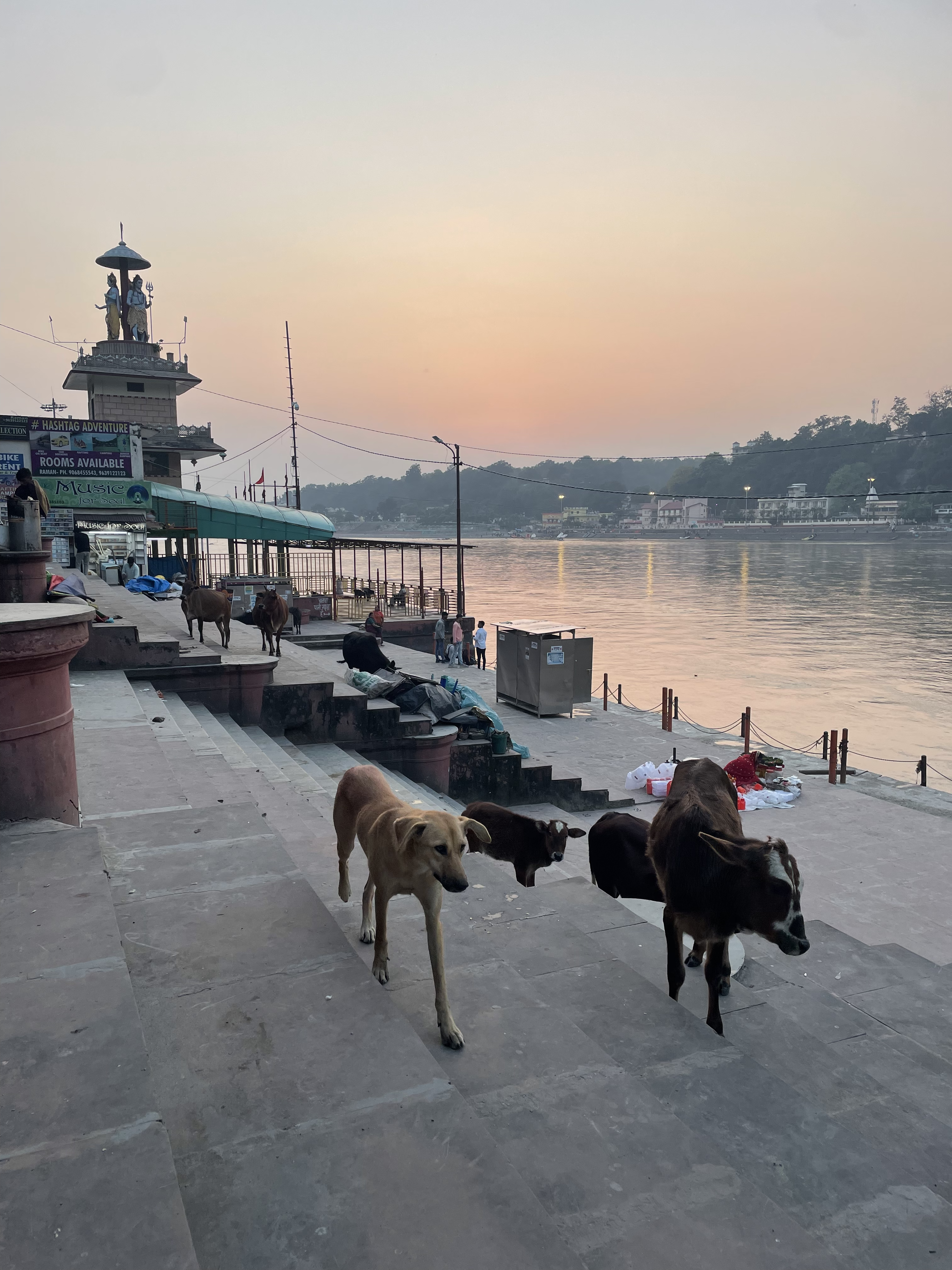
The whole day was a day of extremes all at once. The Beatles ashram was a dead ruin, we went for lovely massages while a cow bandaged with sores waited to die outside, we saw a beautiful sunset as a cow shat-splattered diarrhea on the steps to the Ganga. We enjoyed a beautiful spiritual ceremony while a spiritual woman shamelessly promoted her book and a political rally was given.

10/18 on the road from Rishikesh to Vrindavan. Feeling much better. I officially have the ā€œbusiness classā€ seat on top of the luggage in the bag, where I get to be reclined or sitting and have windows on all three sides – but I have to arrange myself and the luggage to get comfy. It works perfectly for me because I like that and I don’t get motion sick this way.


Map: Beatles Ashram in Rishikesh

Scroll to Zoom out to see where these places are in reference to your home and other landmarks.


Glossary

Puja: to worship with garlands, icons or money

Darshan: to see and be seen by the gods

Kirtan: devotional song, often in call and response, “wake up the sleeping soul”

Polymorphic Monotheism: various deities represent multiple faces of universal God

  • Each deity is an energy
  • Creator, Preserver, Destroyer
  • God is the divine being, goddess is divine power (energy)
  • Krishna is god at play, Vishnu is god at work

Trip Information

The trip was run and organized by Gopi Kinnicutt, owner of Bhakti Yoga DC. The trip was managed by Prema Nanda and Radha Sheran. Skillful driving through the mountains was by Nassim. Himalayan trek guides (Jaman Singh, WhatsApp +91-89790-49706) and many porters carried our camp 9km to set up tents and kitchen for hot food. Many people were involved in arranging our transportation and lodging. Photos used were taken by everybody in the group, especially Prema, Alex, Lauren, Ande, Shannon and Johanna. Thank you!
Related Trip Journals

Glossary

Puja: to worship with garlands, icons or money

Darshan: to see and be seen by the gods

Kirtan: devotional song, often in call and response, “wake up the sleeping soul”

Polymorphic Monotheism: various deities represent multiple faces of universal God

  • Each deity is an energy
  • Creator, Preserver, Destroyer
  • God is the divine being, goddess is divine power (energy)
  • Krishna is god at play, Vishnu is god at work

Trip Information

The trip was run and organized by Gopi Kinnicutt, owner of Bhakti Yoga DC. The trip was managed by Prema Nanda and Radha Sheran. Skillful driving through the mountains was by Nassim. Himalayan trek guides (Jaman Singh, WhatsApp +91-89790-49706) and many porters carried our camp 9km to set up tents and kitchen for hot food. Many people were involved in arranging our transportation and lodging. Photos used were taken by everybody in the group, especially Prema, Alex, Lauren, Ande, Shannon and Johanna. Thank you!
Related Trip Journals

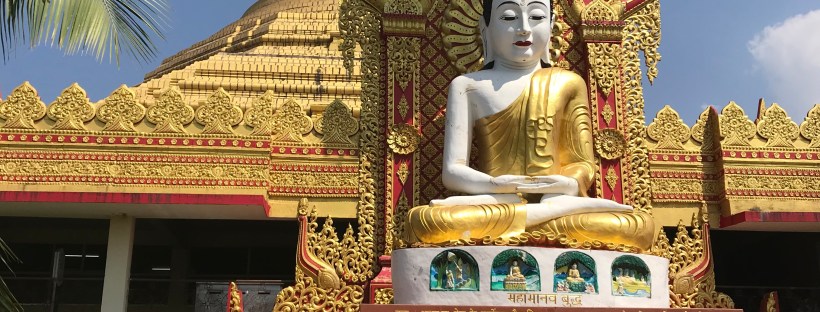
Buddha: Super Scientist of Spirituality, Global Vipassana Pagoda in Mumbai

Thoughts on Technology after Vipassana

After working for a tech company for 6 months, and completing a 10-day Vipassana meditation, I had many thoughts about technology and how it affects our lives and our futures.

First, let me explain the concept of Vipassana. The word itself means “to see things as they really are.” The meditation is for 10 days in silence, with 10 hours a day of meditation, with no eye contact or writing. In true silence, I was left with only observing my deepest thoughts and subtlest experiences.

After 100 hours of meditation on my own mind and body, I have one large question: how can we develop technology that is healthy for our minds and bodies?

First, what is healthy?

I observed that I had a lot of anxiety and attachment to my social media accounts. Did my Instagram get enough likes? Is anyone reading my Facebook posts? Even during the retreat, I was crafting new blog posts in my mind or thinking about which pictures to post to Instagram. These thoughts were in my subconscious, and very unpleasant to experience.

A new trend tells me that I’m not alone in this experience. Last November, a young Instagram star “quit social media” revealing that her “dream life was a sham” and how psychologically damaging it was for her. In the end, in her video, she is pleading for people in tech to “make an app that is not based on social approval, that’s based on quality. I’ll promote, I’ll use it, and I think people will really love it.”

It took a very deep silence for me to realize just how obsessed and attached I was to social media – and I’m not even that active on social media, and I only started using it in my late teens. It makes me wonder, how strong is the attachment and obsession in people who have been using social media since they were young? How are children and teenagers’ minds being affected?

Second, what is the nature of the mind?

I realized that my mind is LOUD. And uncontrolled, and sometimes violent and aggressive – and bossy, and abusive, and simply exhausting.

Anyone who has sat down in silence and found themselves uncomfortably bored has this experience. And the constant use of technology means that we are never bored, we are never in silence, and our minds are always active – from when we wake up to when we go to sleep. Our mind is king.

In this interesting blog post from Melting Asphalt called Neurons Gone Wild, it posits that the mind is a group of autonomously “selfish” neurons. So sometimes one group of neurons can actually work against the benefit of the whole – like an aggressive tyranny or a harsh dictatorship.

From Vipassana, I discovered that even my most subtle thoughts I can feel in my body. This gave me a huge insight, because the reverse is also true: every sensation in my body is connected to a thought. Which brings the question, just how separate are the mind and body?

So what’s wrong with how we create now?

In the tech field, we create products that people enjoy using. In order to make money, we create products that people crave using. In general, we generate a feeling of addiction, by attaching user’s core identity and feelings of self worth to numbers.

And we do it all subconsciously.

The human mind is only capable of holding on average 7 items in working memory. This means that we are only aware of around 7 thoughts – with all the rest of the thinking (managing heart rate, respiration, emotional responses to facial expressions, reactions to subtle app designs) are underneath our conscious awareness.

Arguably, the most successful advertisers, marketers, or designers understand that most judgments and decisions are made subconsciously – and that most people are pretty much the same under the hood – so they can manipulate responses in a predictable manner to sell a product or create a feeling of craving and addiction for a certain product.

So how can we create in a healthy and profitable way?

In my job as a UX Designer and Product Manager, I have to use my empathy and understanding of how the mind works to create enjoyable apps to engage and keep users. For the company, users are dollars, and engaged users are more dollars.

However, as a human – I can’t in good faith design products that create addiction and foster craving and FOMO in people, especially young children and adolescents.

So as one of many creators in technology, I raise the challenge to all creators: can we figure out a way to profit from engaged users by fostering enthusiasm, joy, and health?

Let’s do it. šŸ™‚